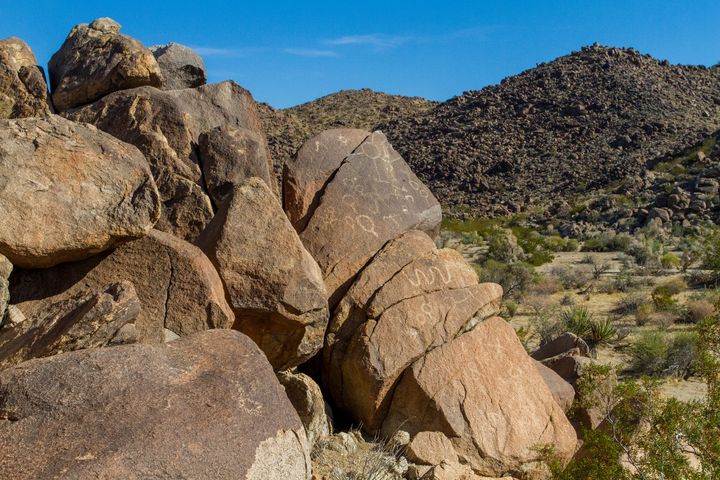
Boundary Island Petroglyphs In a far-flung corner of Joshua Tree, there is an isolated boulder outcrop with a few dozen petroglyphs. The petroglyphs are generally abstract in design and could be of Serrano or Chemehuevi origin.
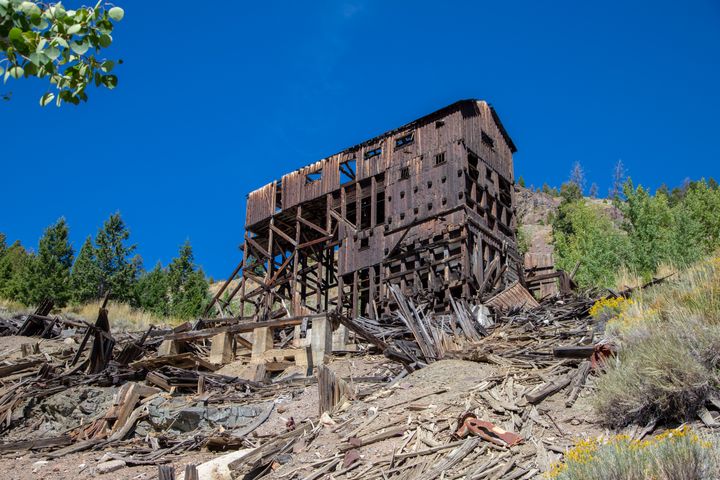
Livingston Mill Two mills and a camp with 22 buildings. The Livingston is one of the most intact mining operations I've seen in Idaho, and it has a caretaker who lives on-site. On the way in, we spotted the word "Trump" painted on one of the buildings. When
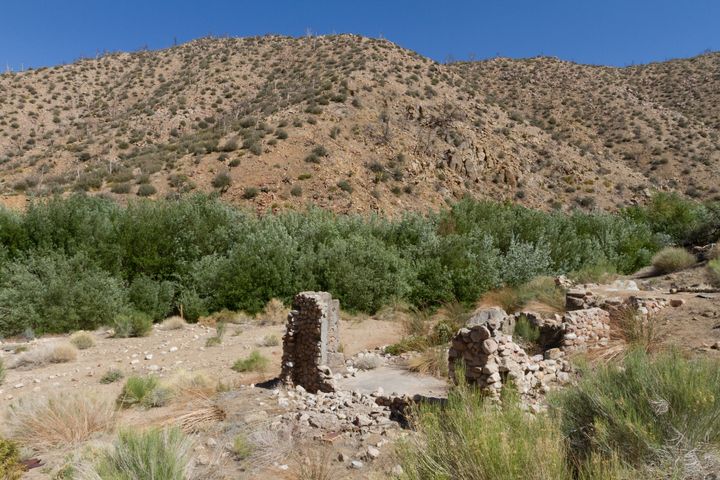
Pipes Canyon Pipes Canyon is a pleasant and easy hike. The trail heads out from the visitor center at the Pioneertown Mountains Preserve and follows the canyon up into a riparian habitat. The canyon is usually dry, but water does occasionally surface to support this isolated oasis. Keep an eye out for
Sun Sword and Whale Rock Petroglyphs With a tip from a friend, I went out searching for a remote set of petroglyphs in the backcountry wilderness of Joshua Tree National Park in early 2020. I had a few clues in my search. I was looking for petroglyphs that were near an old campsite and hidden on
Canebrake Skeleton Pictographs Hidden in a granite rock shelter near an ancient Kumeyaay village site is a unique set of pictographs. Most of these pictographs are typical of the La Rumorosa Style, but what is unusual here are the skeleton figures. I have not seen them anywhere else in the Kumeyaay territory.
Lemoigne Mine Jean François de Lamoignon (shortened to Jean or John Lemoigne) was a black-bearded Frenchman who differed from most of the other early Death Valley prospectors; he was a well-educated mining engineer. He came to Death Valley around 1879 to supervise the Eagle Borax Works. Unfortunately, by the time he had